
Details Make the Frame
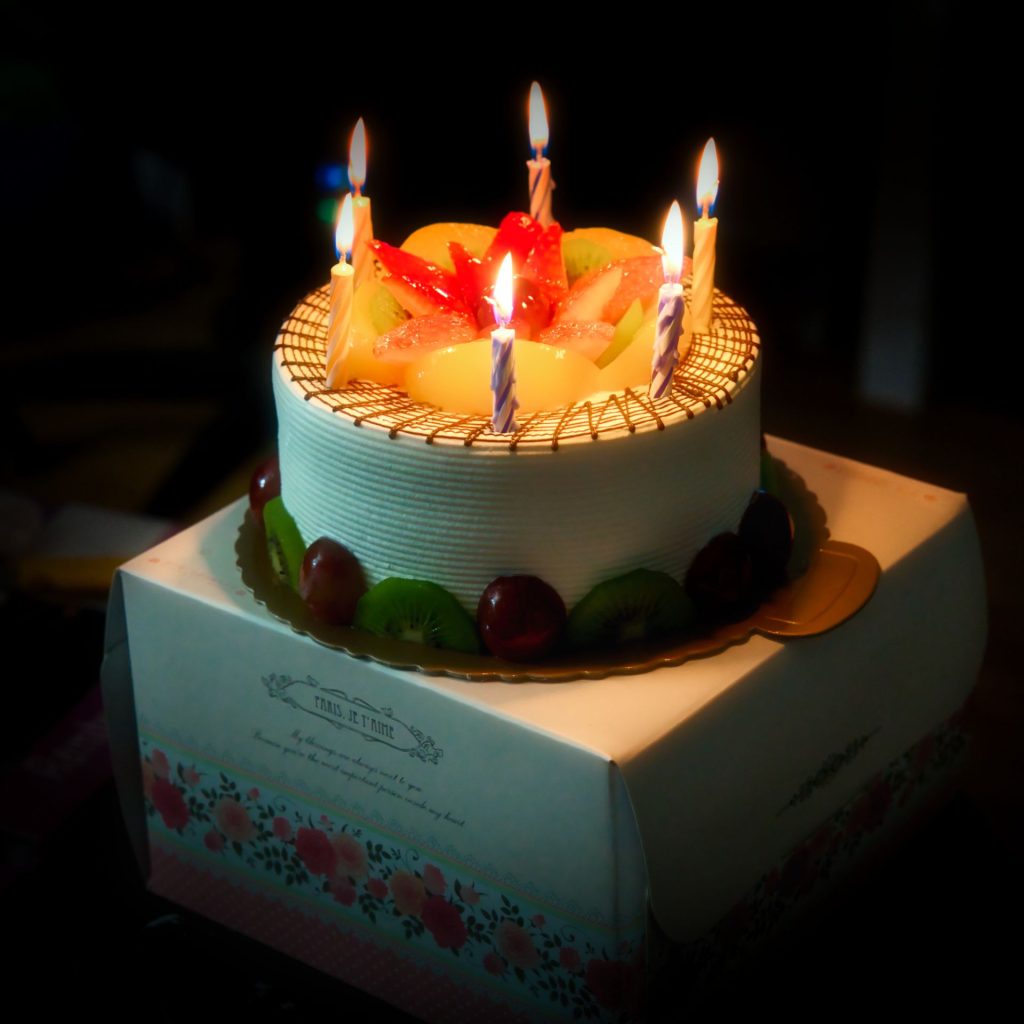
taken by Light & Calm.
It is easy to think a photograph is just a moment. A face, a place, a quick press of a button. Especially now, when almost everything fits in your pocket. Phones have made images feel immediate, accessible, and “good enough” without much thought.
And in a way, they are.
But photography has never really been about “good enough.”
It has always been about details.
Not the loud kind of details that demand attention. The quiet ones. The ones you don’t notice at first glance, but somehow feel when everything comes together. The kind that separate something you scroll past from something you stop on without knowing why.
A slight change in light. A shift in posture. The space between two subjects. The decision to wait one more second before pressing the shutter. These are not dramatic moments. But they are the difference between an image that exists and an image that stays with you.
A phone can take a photo. A camera can build one.
That distinction is not about superiority. It is about intention.
Because when you start paying attention to detail, you realize photography is not the act of capturing what is there. It is the act of choosing what deserves to be seen.
Think about something as simple as a smile.
Not every smile reads the same in a photograph. Some are wide and obvious. Others are subtle, almost restrained. Some come from laughter. Others from comfort. And sometimes, it is not even the smile itself, but what it does to everything around it.
A slight smile can soften the entire mood of an image. It can turn distance into warmth. It can shift a portrait from posed to honest without changing anything else in the frame.
That is detail. Not added. Observed.
The same applies beyond people.
In real estate photography, a fraction of a degree in framing can change how a room feels. Suddenly, a space feels open instead of cramped. In street photography, a reflection in a window might carry more weight than the subject walking past it. In lifestyle work, the placement of a hand on a table, or the direction of a glance, can change the entire story being told.
Most people do not notice these things consciously. But they feel them.
That is the part that often gets missed when people say “anyone can take a photo.” Technically, yes. But not everyone sees the same details. And even fewer know when to protect them instead of overworking them.
Editing follows the same principle.
It is not about transforming an image into something it is not. It is about refining what is already there so the details can breathe. Too much editing, and the image loses its truth. Too little, and the intention gets buried. The balance lives in restraint, in knowing when to stop as much as knowing what to change.
This is where photography shifts from documentation into craft.
Because details are not just visual. They are emotional. They guide how someone experiences an image without telling them what to feel. They create atmosphere without explanation.
And once you start seeing them, you cannot really unsee them.
You begin to notice how light falls differently in every room. How people reveal more in their pauses than in their poses. How a simple shift in timing can turn something ordinary into something layered.
This is what separates images that are quickly forgotten from images that linger quietly in memory.
Not subject. Not gear. Not trend.
Detail.
This is the foundation of how we see photography. Not as a rush to capture everything, but as a practice of noticing what matters inside the frame.